
Mosaic Mural at School No. 110
ARCHIVE PHOTOS
Situated on Taras Shevchenko Street, School No. 110 was built during the second construction phase of Microdistrict C-7. Beyond the school, which can accommodate up to 2,600 students, the district also features three kindergartens, each with 280 available spots, as well as children’s playgrounds.
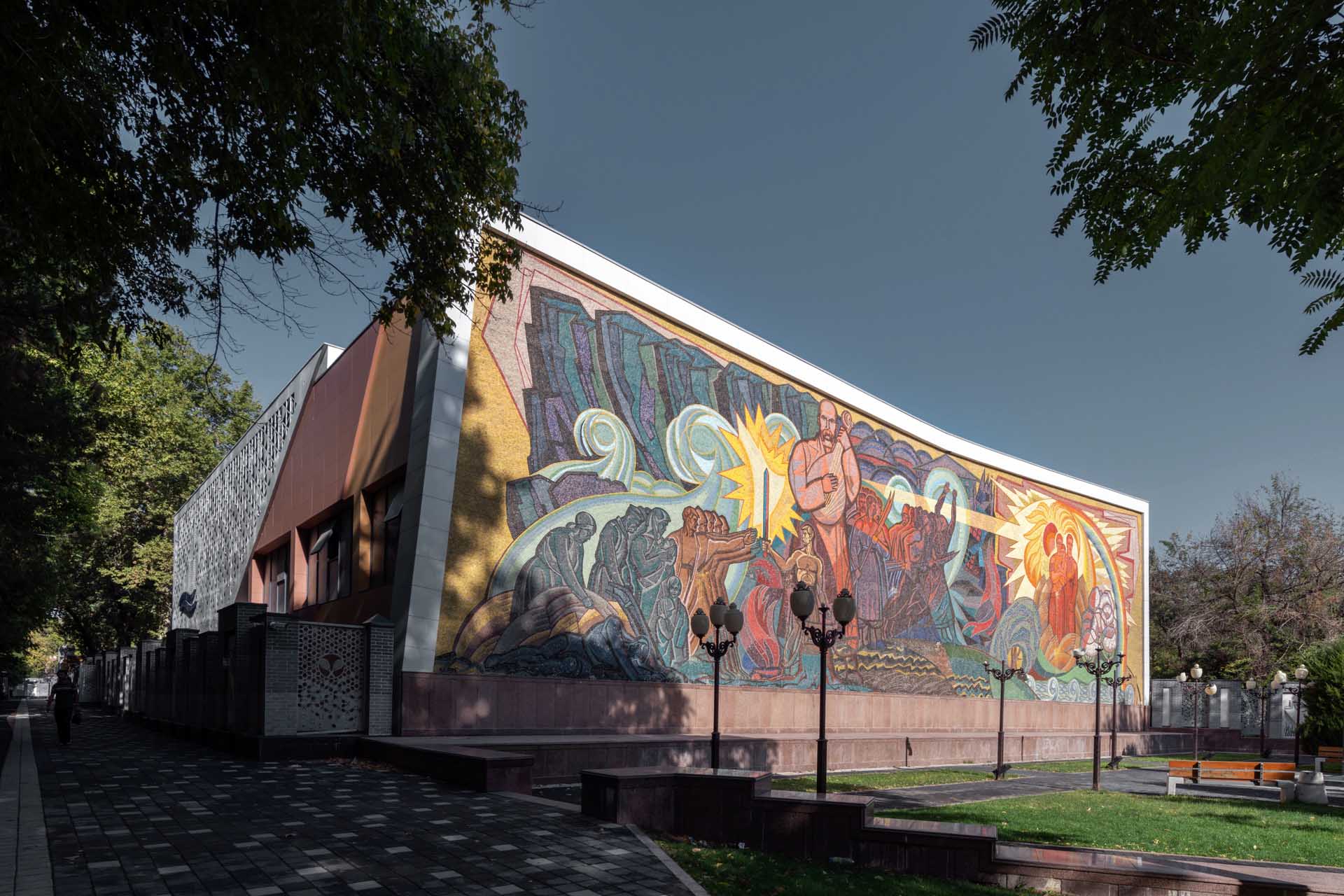
Conceived by architect Iosif Karakis, the school is an intricate complex of 12 two-story blocks. These are interconnected by transparent galleries and further unified by green inner courtyards. Designed to offer the perfect environment for both education and leisure, the school boasts spacious classrooms, dual-purpose auditoriums and sports halls, seasonal swimming pools, athletic fields, nap rooms for extended-day groups, specialized study rooms, a dining hall, and a library with 20,000 volumes. This project wasn’t Karakis’s first venture in Uzbekistan; during the wartime years, he had led the construction of important sites such as the Tashkent Abrasive Plant and the Farkhad Dam.
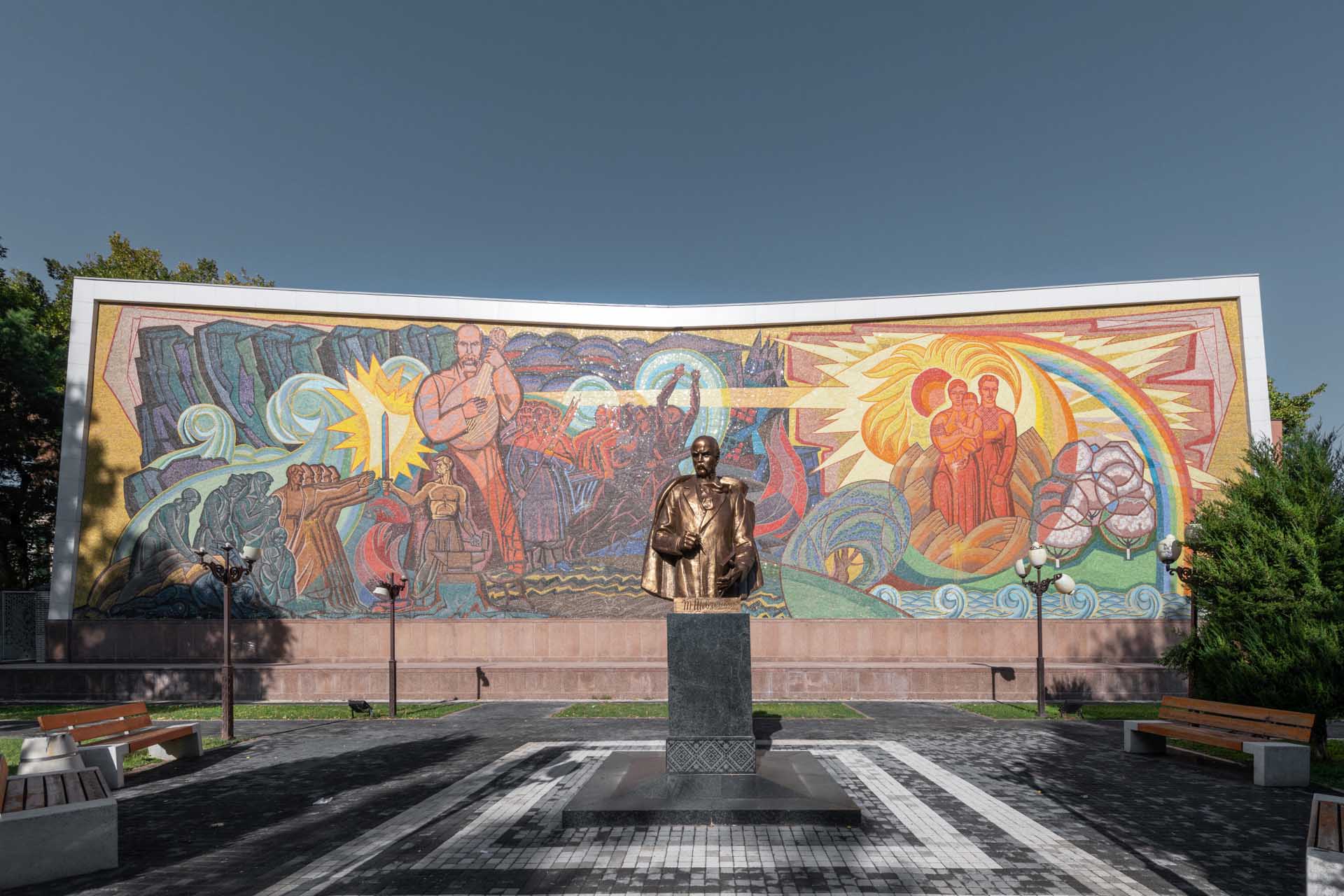
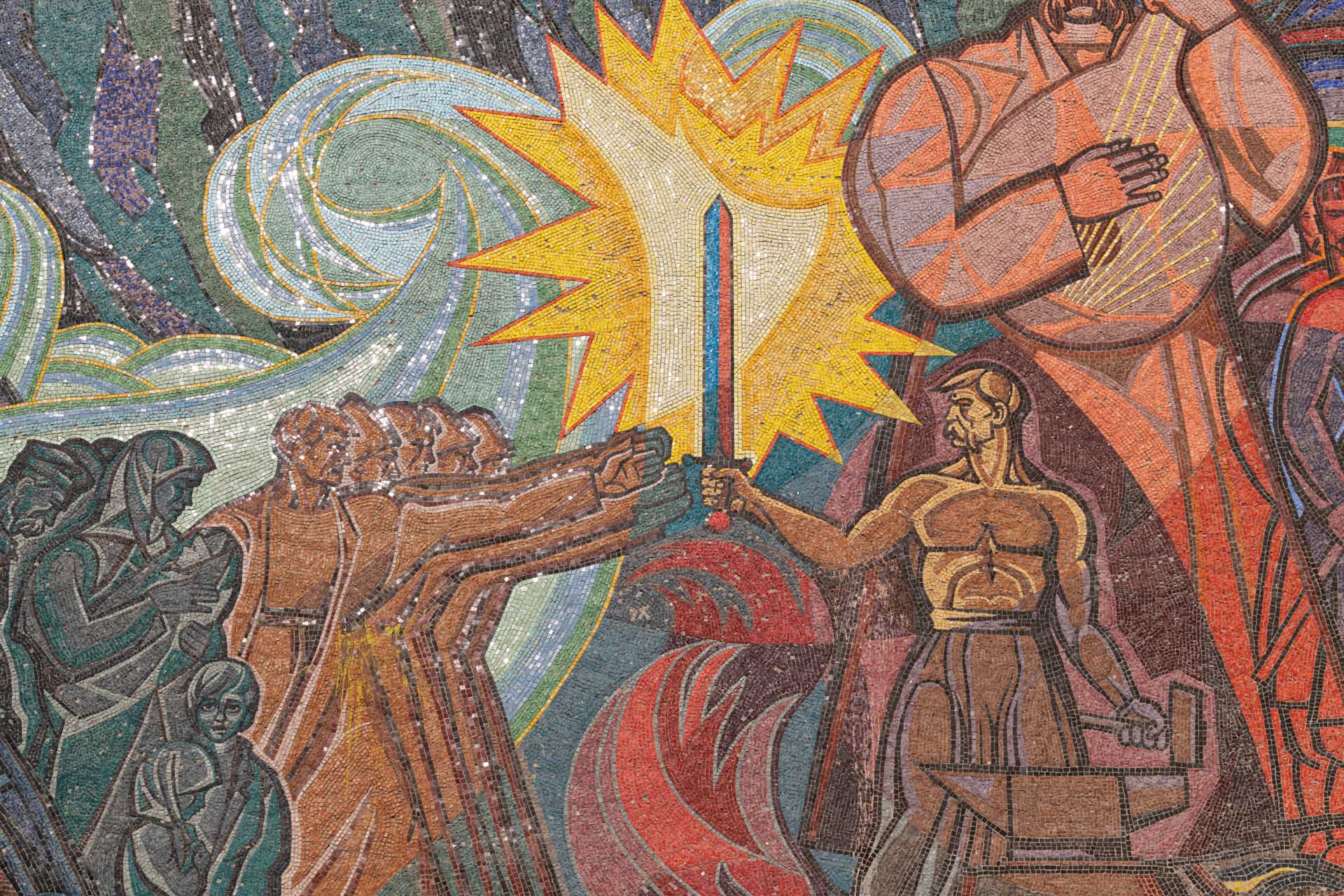
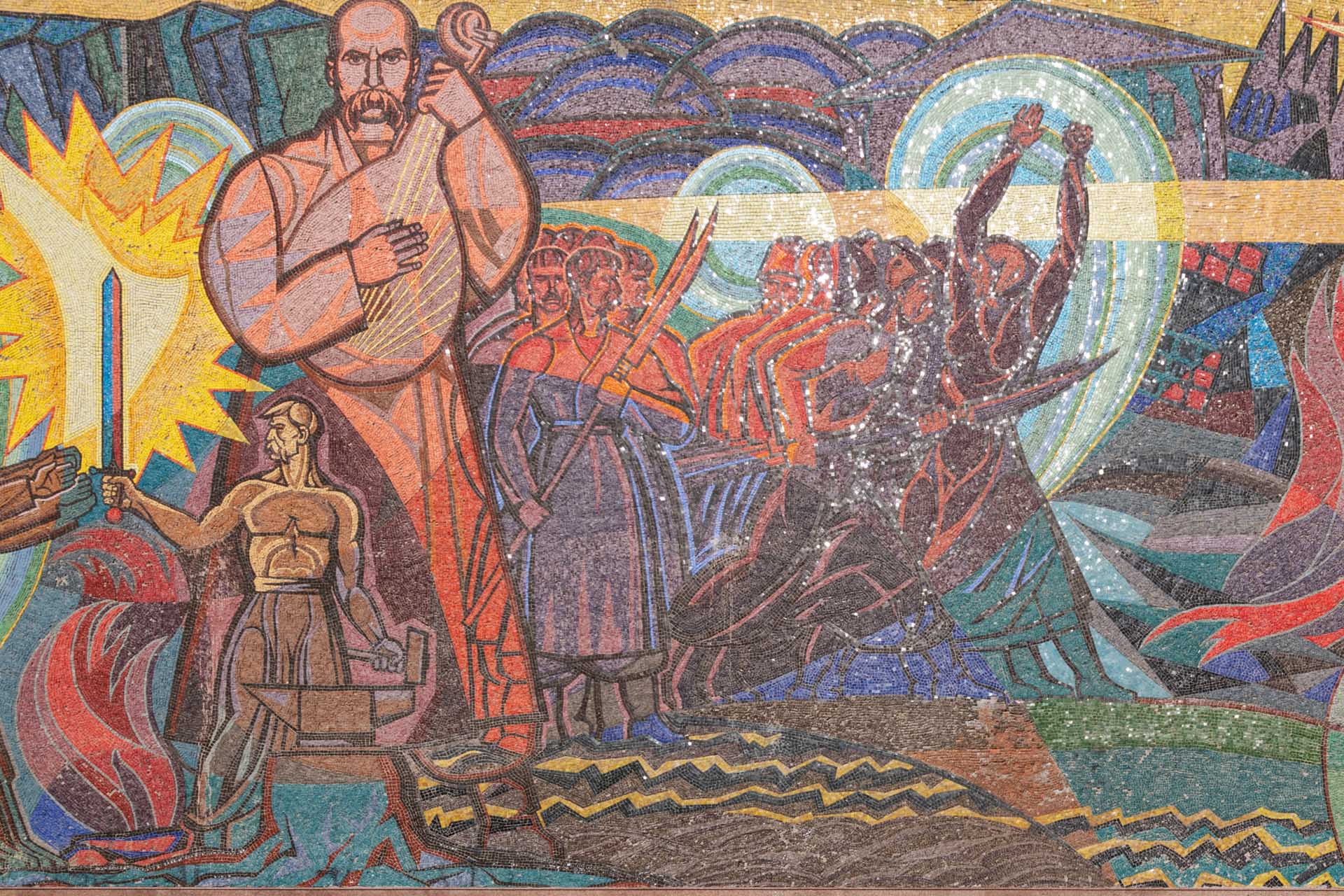
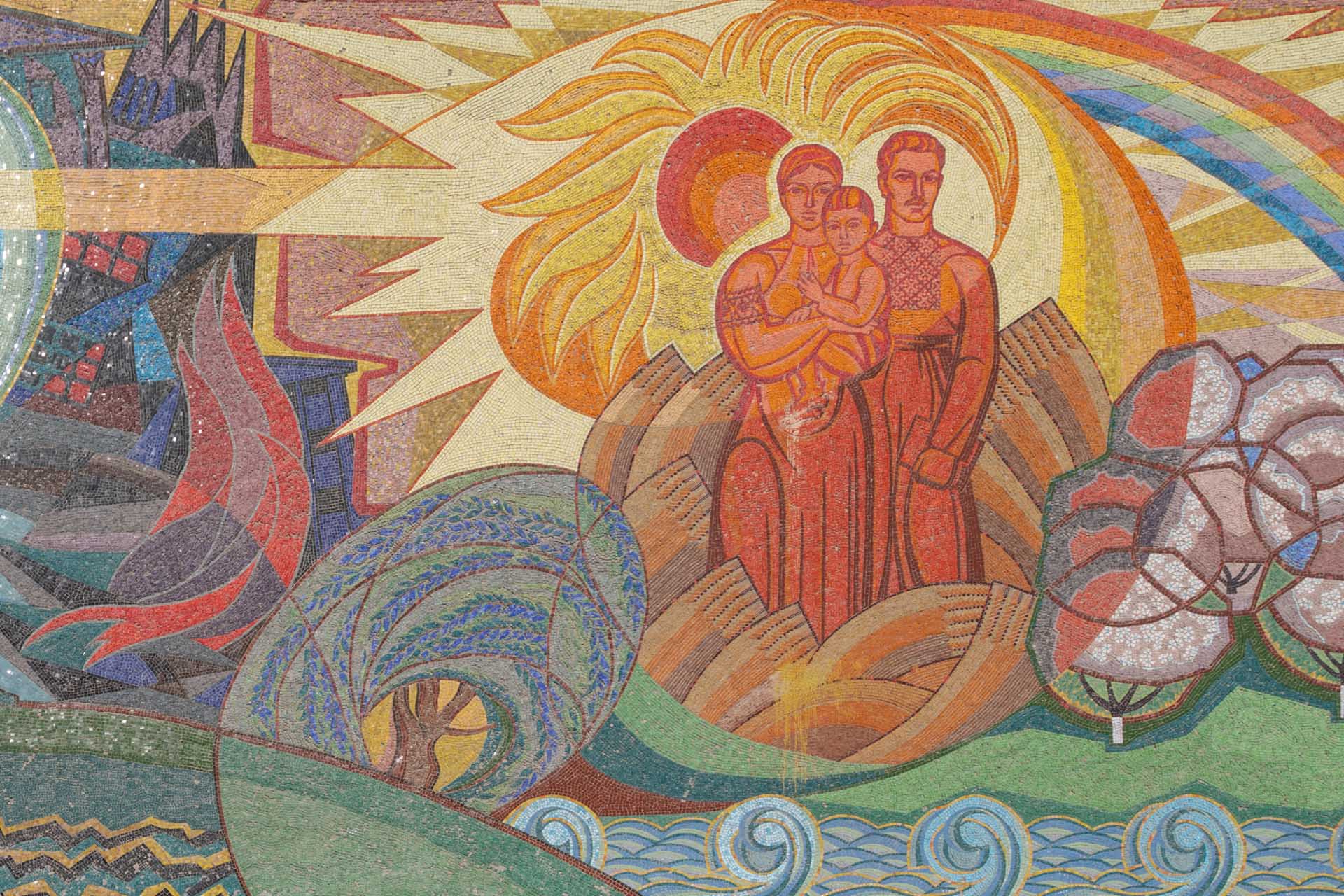
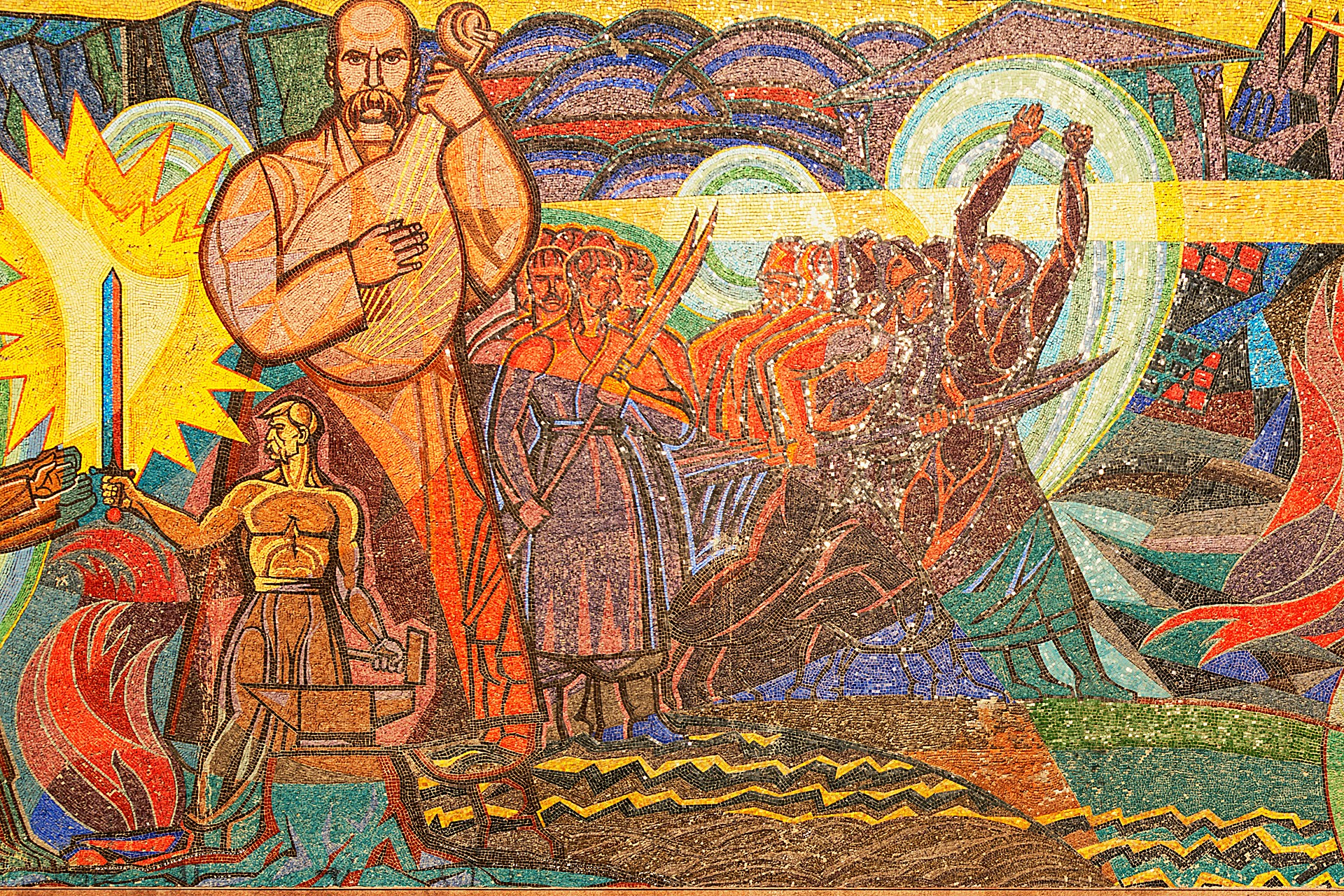
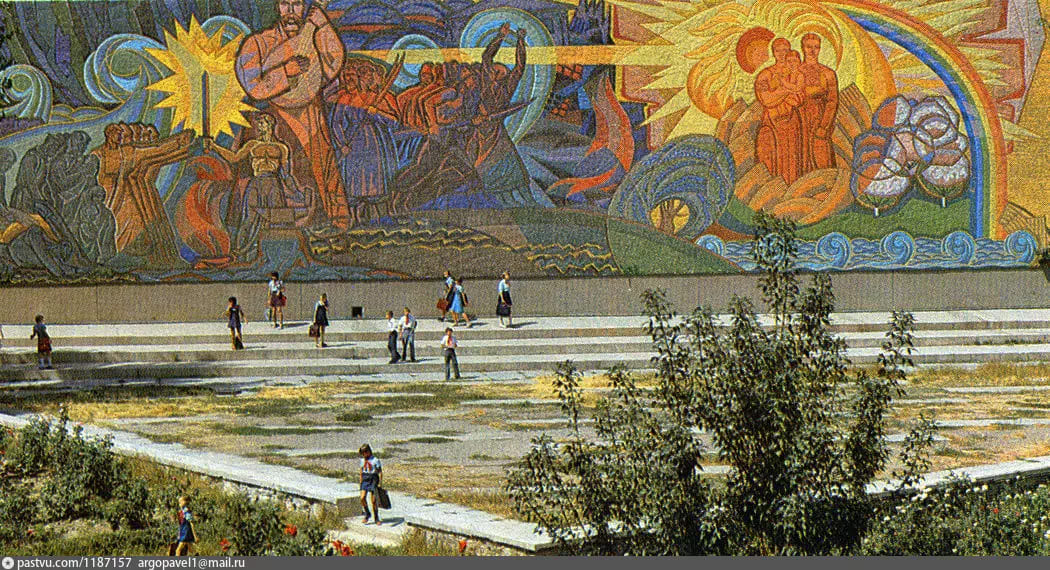
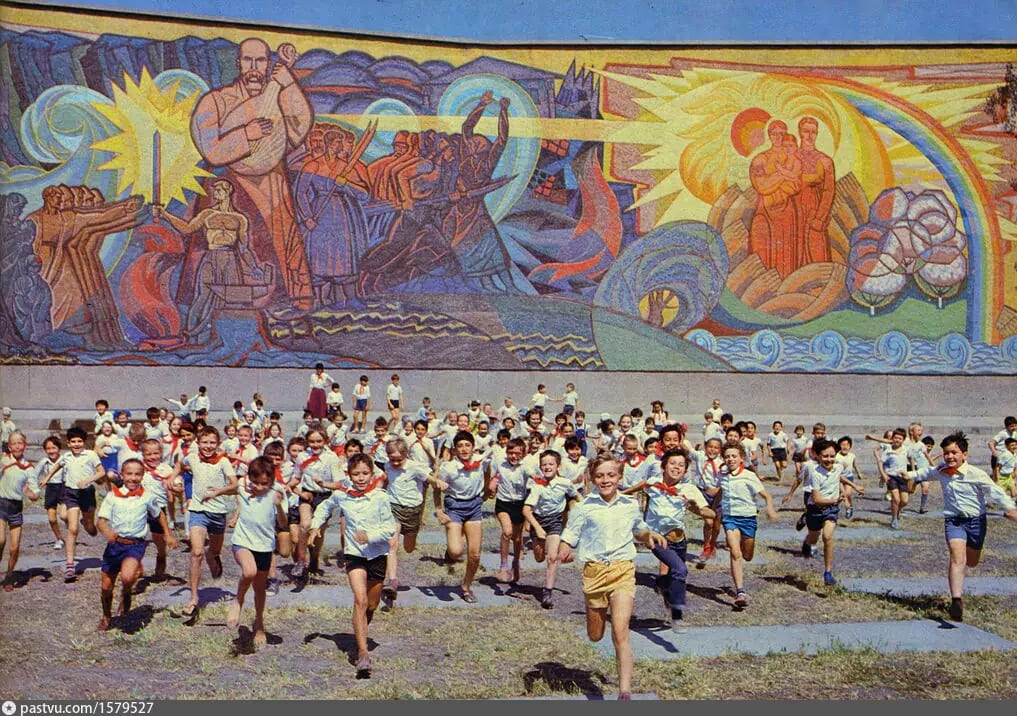
In 1969, Ukrainian artist Vladimir Kutkin created a striking mosaic mural on the wall of the school’s swimming pool building, titled The Great Kobzar. The artwork portrays Taras Shevchenko holding the Ukrainian folk music instrument called kobza, surrounded by characters from his literary works.
Further elevating the site’s cultural and diplomatic significance, a sculpture of the esteemed poet created by Leonid Ryabtsev was installed in front of the mural in 2002. The unveiling ceremony was attended by then-Ukrainian President Leonid Kuchma.
Modern Photos