
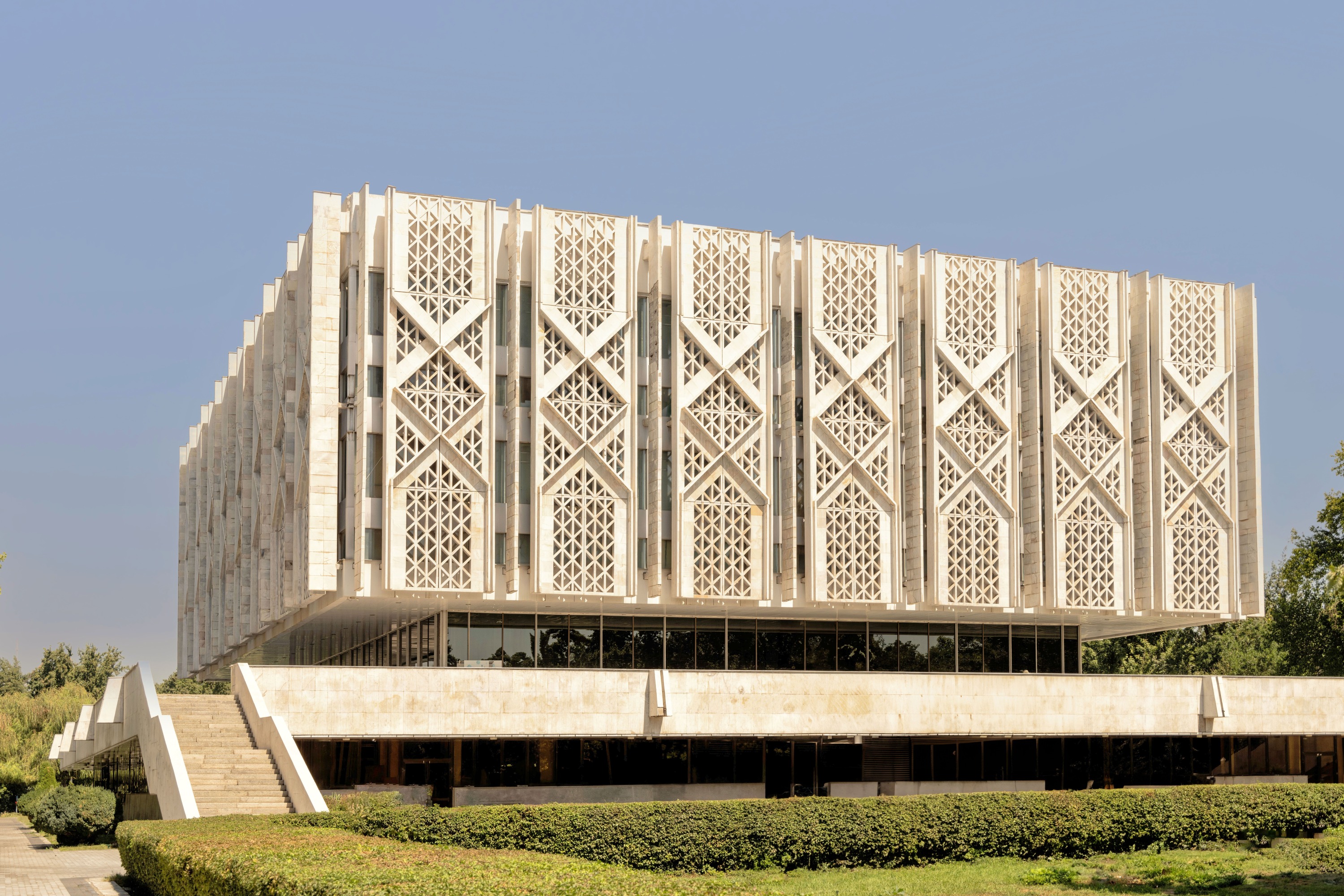
State Museum of the History of Uzbekistan
ARCHIVE PHOTOS
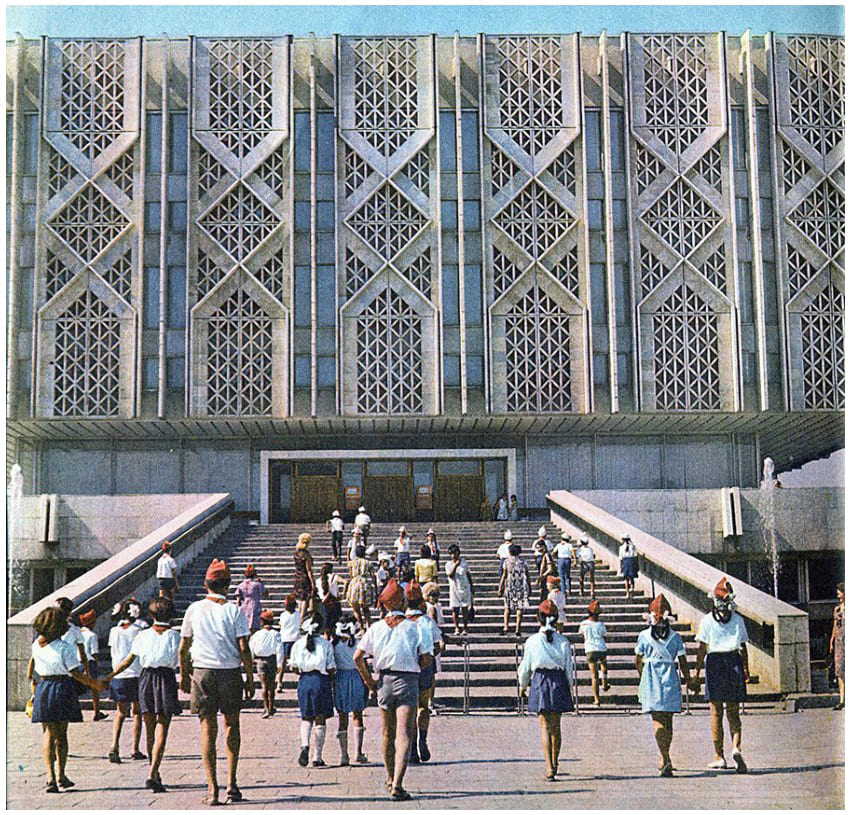
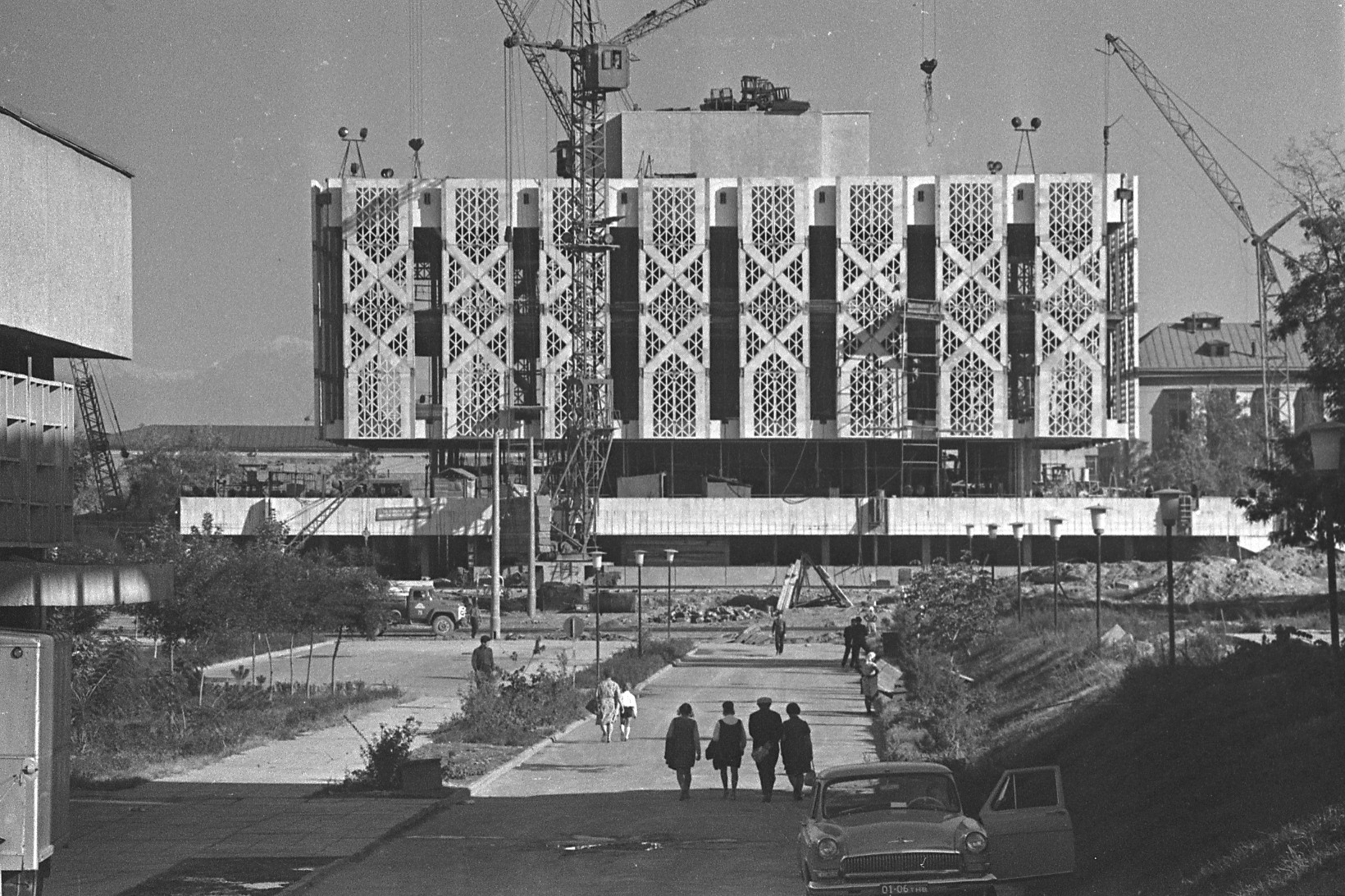
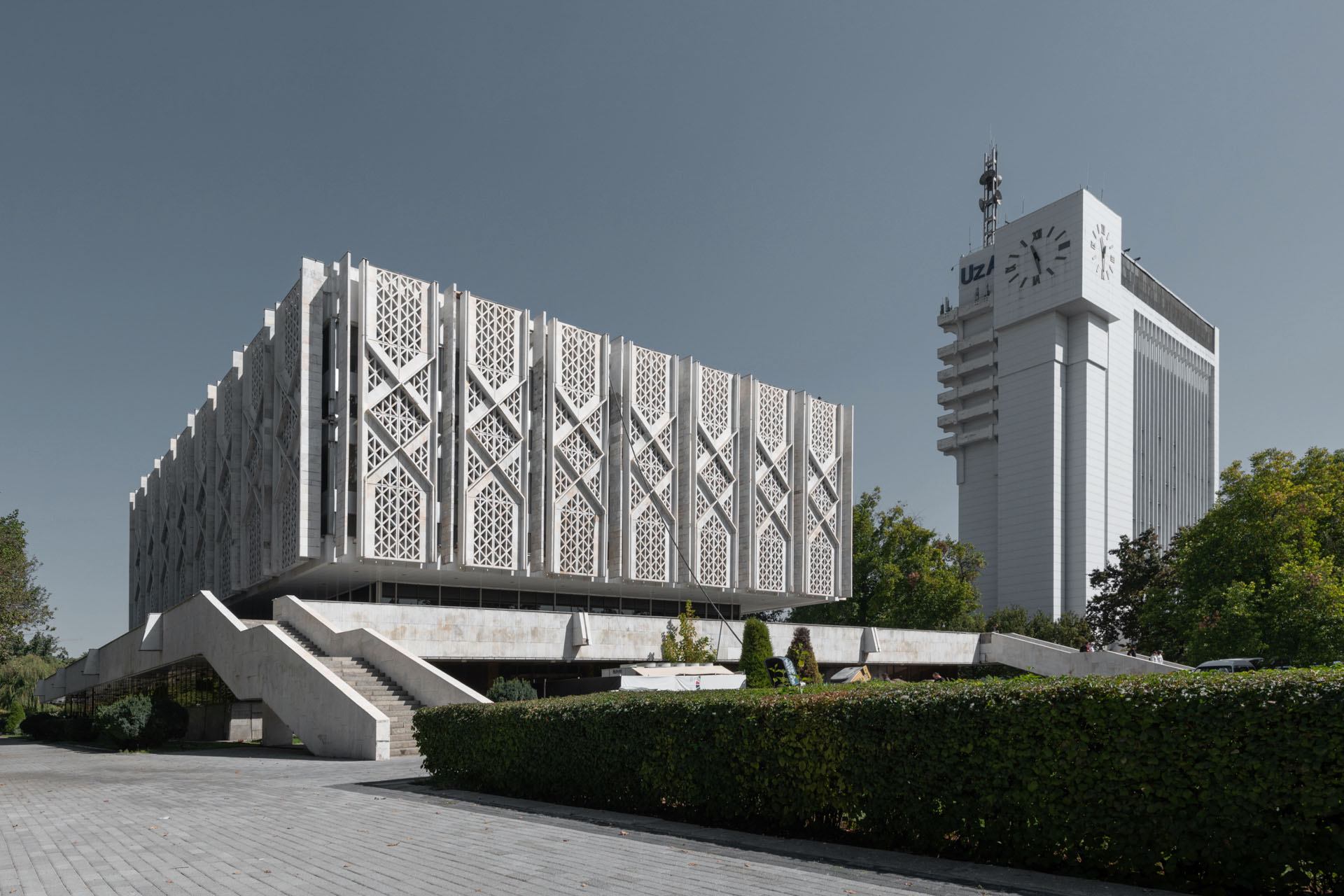
In anticipation of the centennial of the revolutionary leader’s birth, the Central Committee of the Communist Party of Uzbekistan, along with the government, decided to establish a Tashkent branch of the Central Museum of Vladimir Lenin. Designated as a national high-priority project, the museum was quickly realized by architects Yevgeny Rozanov and Vsevolod Shestopalov. Incorporating cutting-edge technological and aesthetic elements, the building remains one of Tashkent’s most elegant and best-preserved modernist structures.
Many modernist Lenin museums were designed to resemble elevated “temples,” with their main “sanctuaries” featuring a prominent sculpture of the leader. The strategic positioning of these sculptures, which are visible from various vantage points within the museum, likely took inspiration from the architecture of ancient Greek temples.
Unlike cities such as Moscow or Ulyanovsk, which have direct ties to Lenin’s life, Tashkent lacked authentic artifacts commonly displayed in such museums. Consequently, this institution was envisioned as a laboratory for innovative museography. According to Sharaf Rashidov, the leader of Soviet Uzbekistan, the museum aimed to spotlight the “realization of Lenin’s ideals across Uzbekistan and all the Soviet eastern republics.”
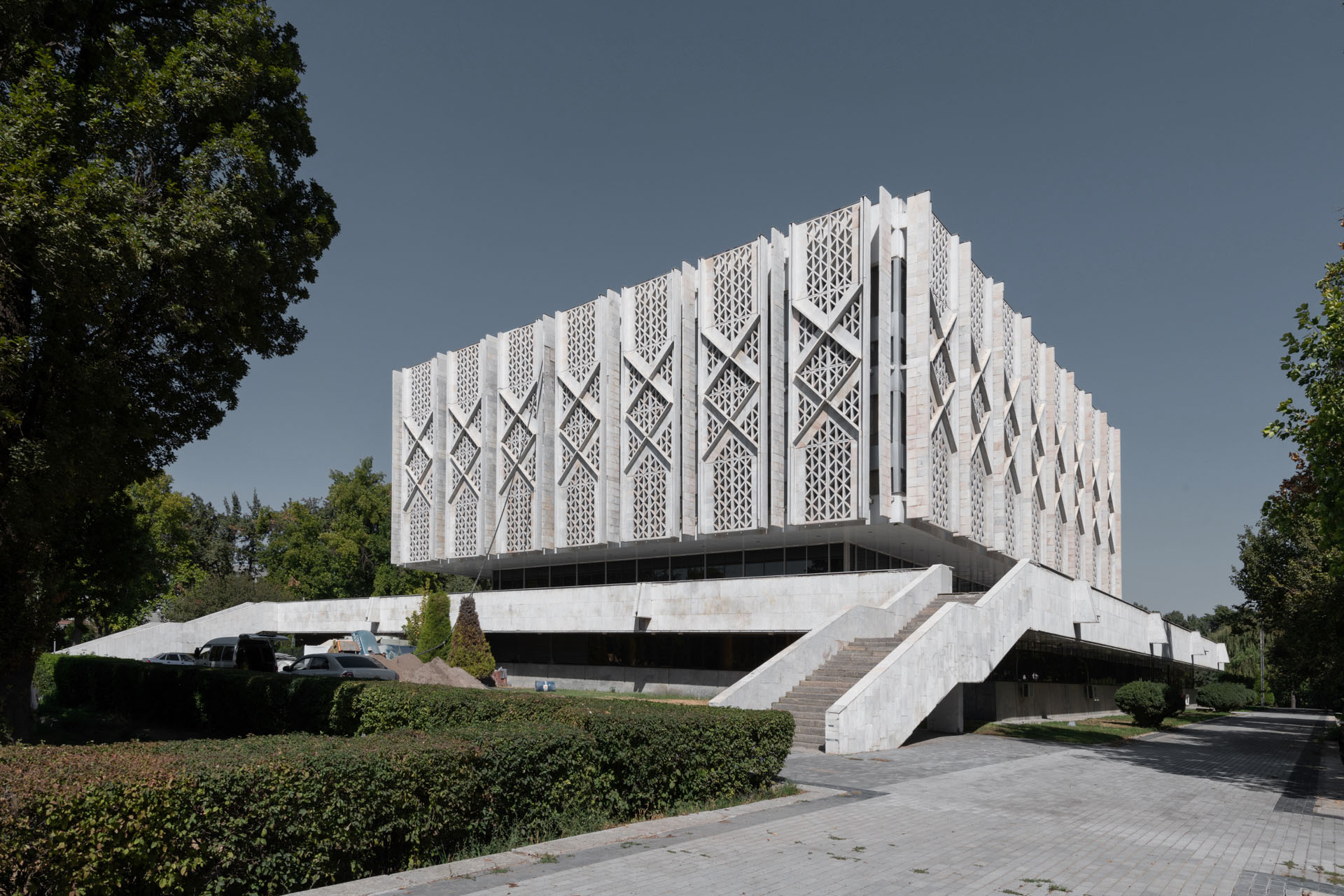
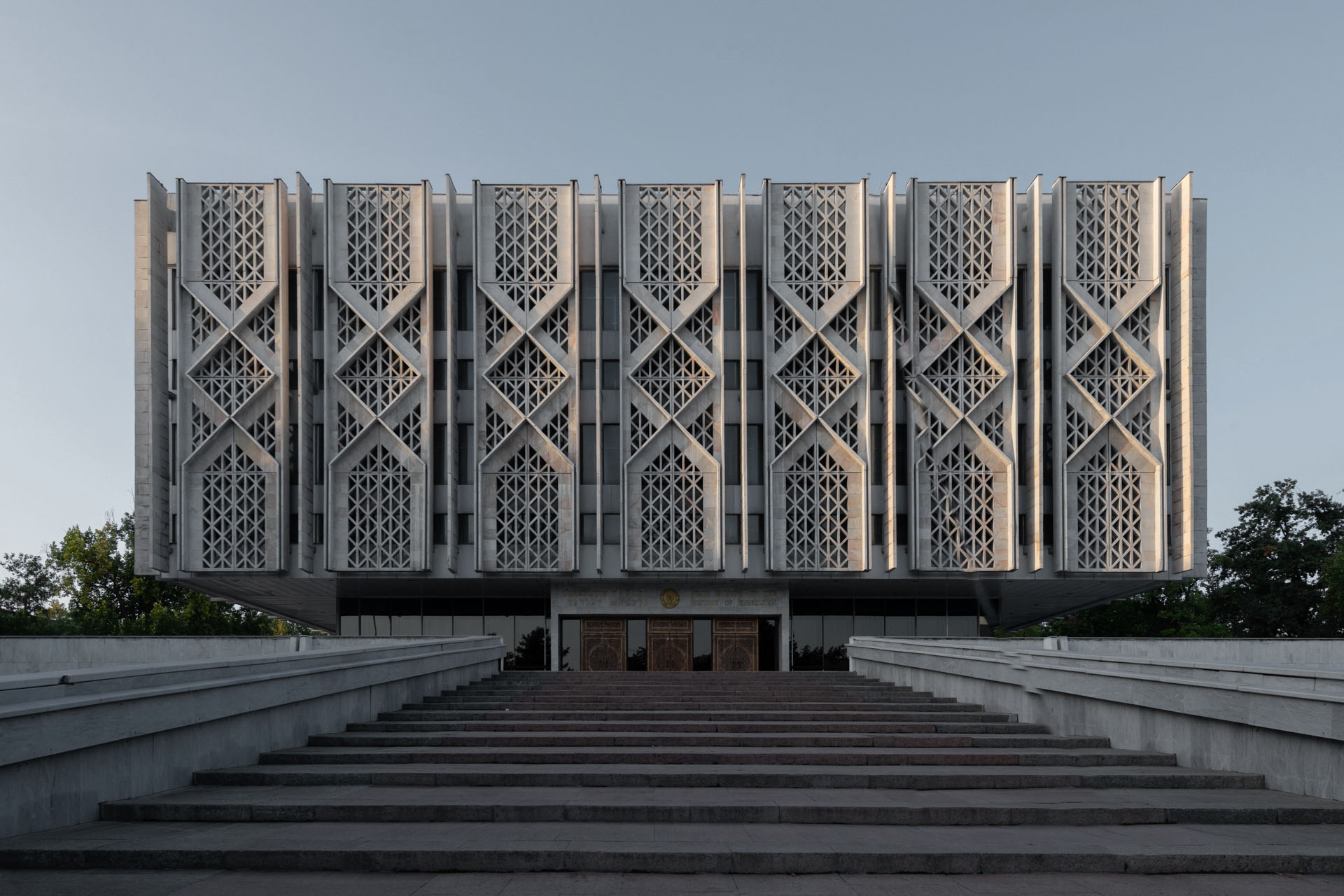
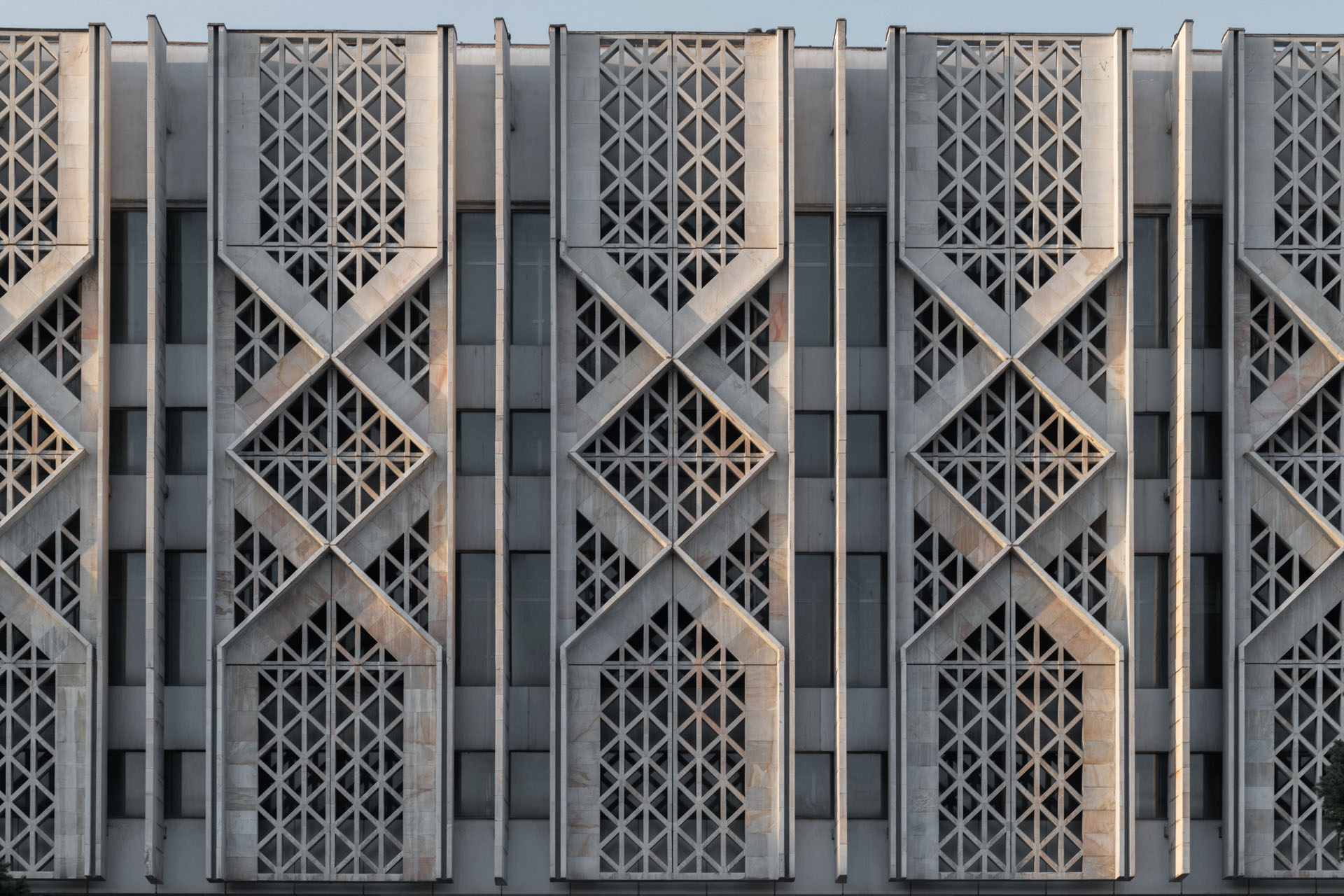
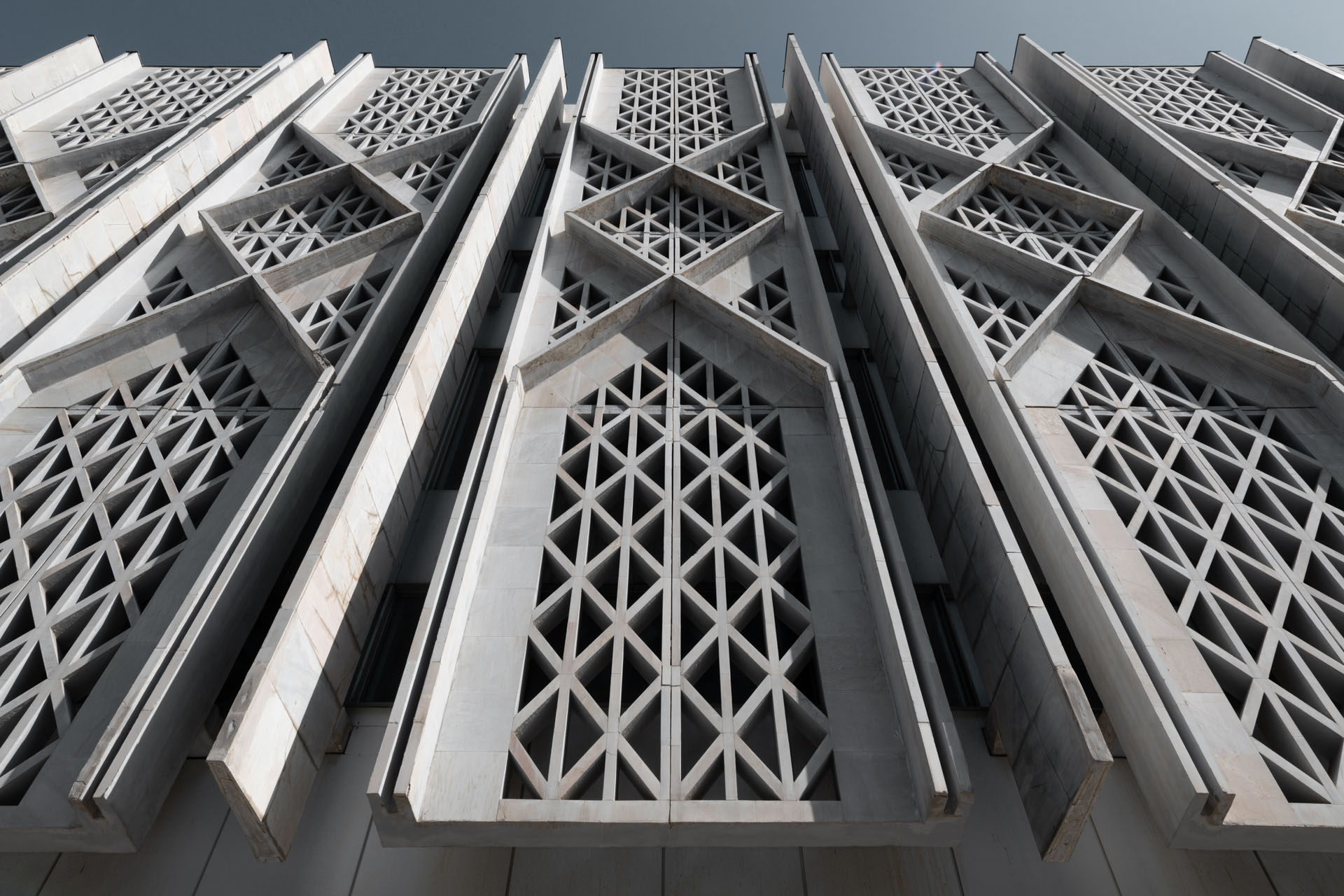
The museum building itself served as the centerpiece exhibit. Designed as an emblem of Soviet Uzbekistan, the project demanded both technological ingenuity and unique aesthetic elements. These facets collectively testified to the social and cultural dividends of Leninist policies. One distinguishing architectural feature was the sun-shading latticework—known as panjara—that signaled the architects’ aspiration to construct a uniquely local monument.
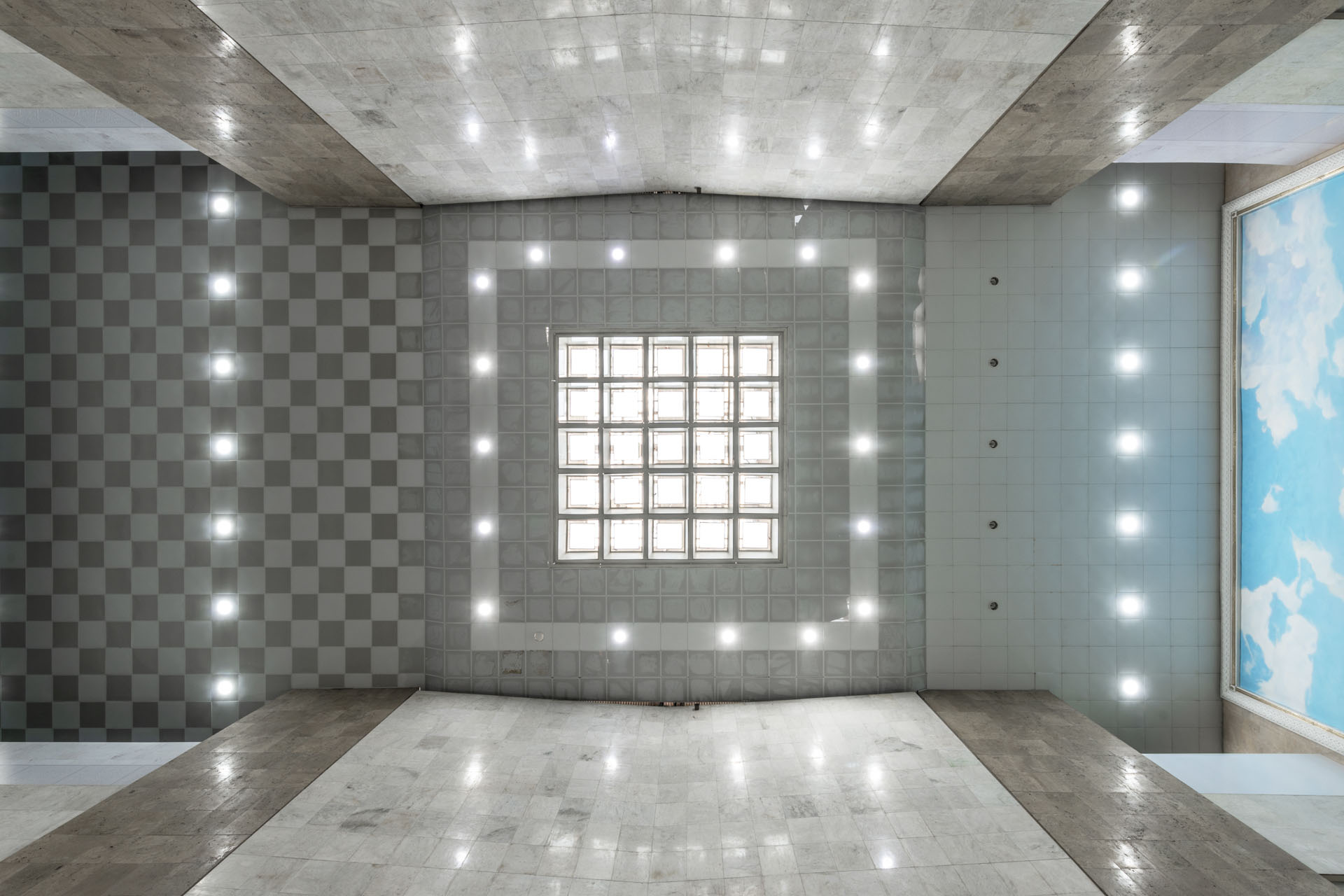
The striking marble parallelepiped appeared to hover in mid-air, its only visible support being a recessed glass foyer. This defiance of natural laws extended into the building’s interior, which boasted an unprecedented air conditioning and air distribution system for its time.
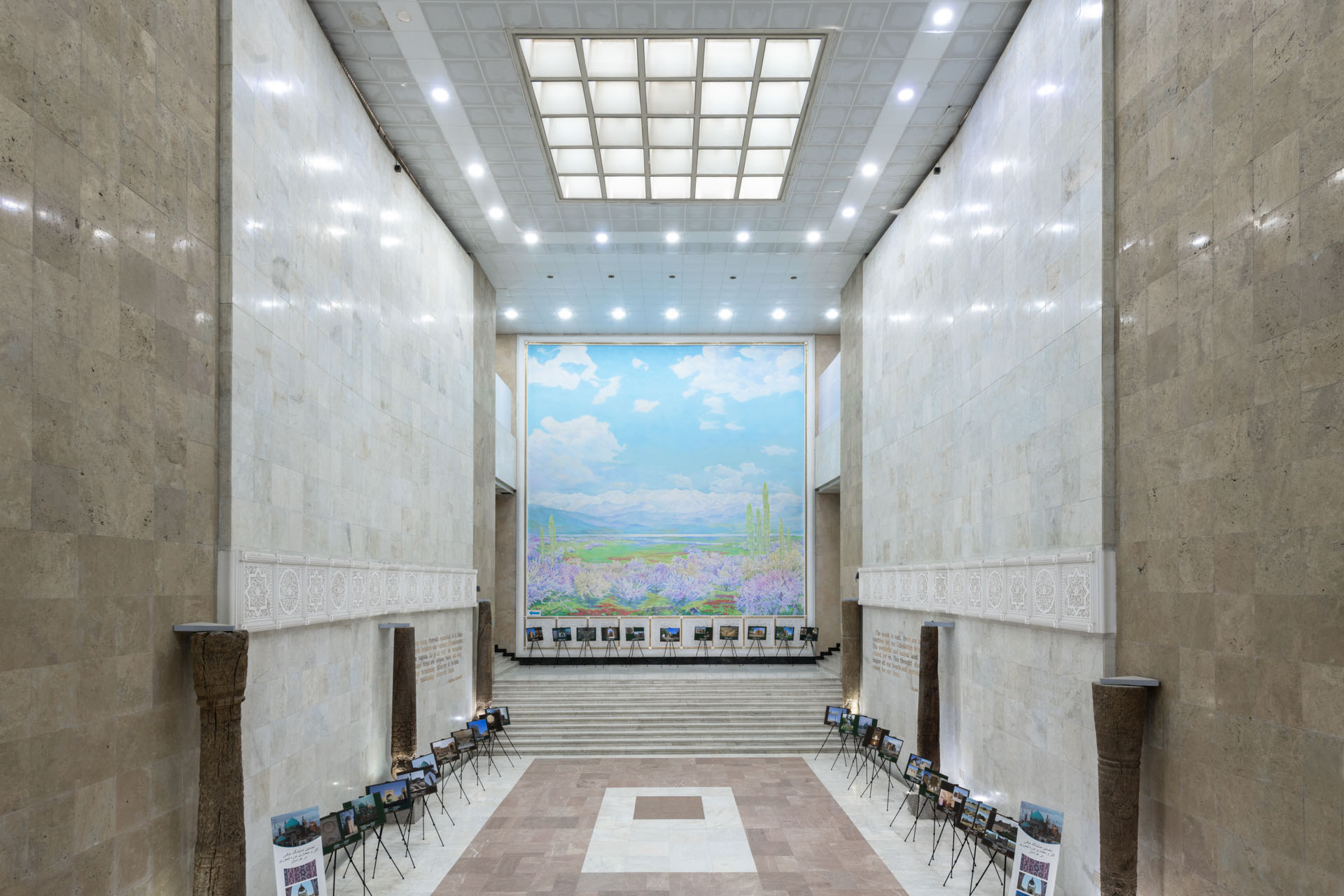
Given the ideological focus of the Lenin Museum, the architects incorporated large-scale pieces, notably a six-meter-tall statue of Lenin and a mosaic panel that depicted both the revolutionary history and contemporary life of Soviet Uzbekistan’s farmers, workers, and intellectuals.
After the USSR’s dissolution, the Lenin Museum underwent a nearly seamless transition to become the Museum of History of Uzbekistan. The Lenin statue and mosaic panel were replaced by a fresco titled Clocks of Eternity, which portrayed significant figures in Central Asian history, major monuments, and religious symbols. The first President of independent Uzbekistan, Islam Karimov, was also included in the final version of the fresco. However, seven years after its grand unveiling, the fresco was erased by a governmental decree, supplanted by a realistically styled landscape encased in a golden frame.
Despite these changes, the building retains its original architectural essence and remains a crucial landmark in Tashkent’s architectural landscape. It embodies an important phase in the city’s architectural evolution, representing a harmonious melding of modernist design with historical legacy.
Modern Photos